
Laparoscopy & hysteroscopy
Minimally invasive laparoscopy and hysteroscopy surgery
Keyhole surgery through a few small incisions, or through no incision at all. Sangita introduced laparoscopic surgery in 1991 and has performed it in-house ever since, which for you means smaller scars, less pain, a shorter hospital stay and a faster return to ordinary life.
- SinceLaparoscopy in-house since 1991
- EquipmentLEMKE 404 high-definition set
- StayDay-care or short admission
- Performed byDr. Priti Vyas
Two approaches
Through the abdomen, or through the cervix.
-
Laparoscopy
A telescope and fine instruments are passed through incisions of a few millimetres in the abdominal wall. The surgeon operates while viewing a high-definition image of the pelvis, which gives better magnification and visibility than an open incision would.
- Keyhole incisions
- High-definition imaging
- Day-care in many cases
-
Hysteroscopy
A thin telescope is passed through the cervix into the uterine cavity, with no incision at all. It is used both to diagnose the cause of bleeding or infertility and, in the same sitting, to treat what is found.
- No incision
- Diagnostic and operative
- Rapid recovery
Procedures
What we treat this way.
- Myomectomy: removal of fibroids, uterus preserved
- Hysterectomy, where it is indicated
- Ovarian cyst removal, ovary preserved where possible
- Endometriosis: diagnosis and excision
- Adhesiolysis for pelvic adhesions
- Ectopic pregnancy
- Tubal patency assessment and tubal surgery
- Hysteroscopic polypectomy and septal resection
- Endometrial biopsy and evaluation of abnormal bleeding
- Diagnostic laparoscopy for infertility and chronic pelvic pain
Why minimally invasive, where it is appropriate
The advantages are practical rather than cosmetic. Small incisions mean less blood loss, less post-operative pain, a lower risk of wound infection and a hospital stay measured in hours or a day rather than a week. Most patients return to desk work within a week.
Not every case is suited to it. Very large fibroids, dense adhesions from previous surgery, or a suspected malignancy may make an open approach safer, and that judgement is made honestly before surgery rather than during it. Where a laparoscopic start is reasonable but conversion may be needed, you will be told so beforehand.
The hospital's operation theatre carries a high-definition laparoscopic set (LEMKE 404) with bipolar cautery and electrosurgical equipment, multipara monitors and anaesthesia units, with the anaesthetic panel and in-house pathology on site.
Common questions
How long will I be in hospital?
Many laparoscopic and hysteroscopic procedures are done as day care or with a single overnight stay. Your surgeon will tell you what to expect for your specific procedure before you are admitted.
Will there be visible scars?
Laparoscopic incisions are a few millimetres and fade considerably over time. Hysteroscopy is performed through the cervix and leaves no external incision at all.
Can fibroids be removed without removing the uterus?
In many cases, yes. A myomectomy removes the fibroids and preserves the uterus. Whether it is suitable depends on the number, size and position of the fibroids, which is assessed on imaging beforehand.
Could the surgery become an open one?
Occasionally. If adhesions, bleeding or unexpected findings make it unsafe to continue laparoscopically, the surgeon will convert to an open procedure. This possibility is discussed and consented to before surgery.
Related care
-

Gynaecology
Fibroids, PCOS, endometriosis, heavy bleeding, pelvic pain and laparoscopic surgery.
Learn more -
Fertility care
Fertility counselling, IUI, infertility treatment, reproductive endocrinology and IVF.
Learn more -
Diagnostic centre
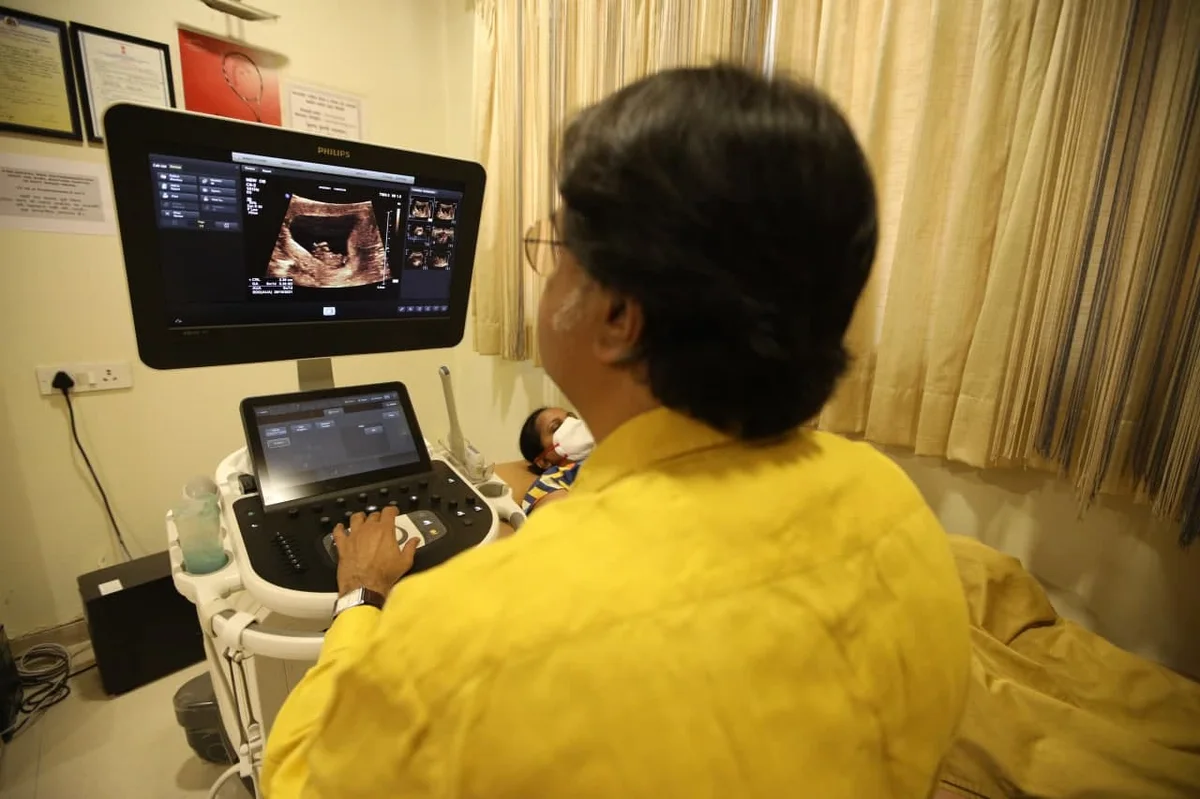
Colour Doppler, obstetric and other ultrasound, ECG and NABL-accredited pathology.
Learn more
Book
Schedule a consultation call with us today.
Motherhood needs preparation. We can help.